
How to train dogs who have submissive urination
Why it happens:
Submissive urination is a social response, not a potty-training failure. It happens when a dog feels intimidated, overly excited, or unsure. Puppies are most prone, but sensitive adult dogs can struggle too.
Key point:
This is about confidence — not bladder control. Punishment makes it worse. Safety and structure make it better.
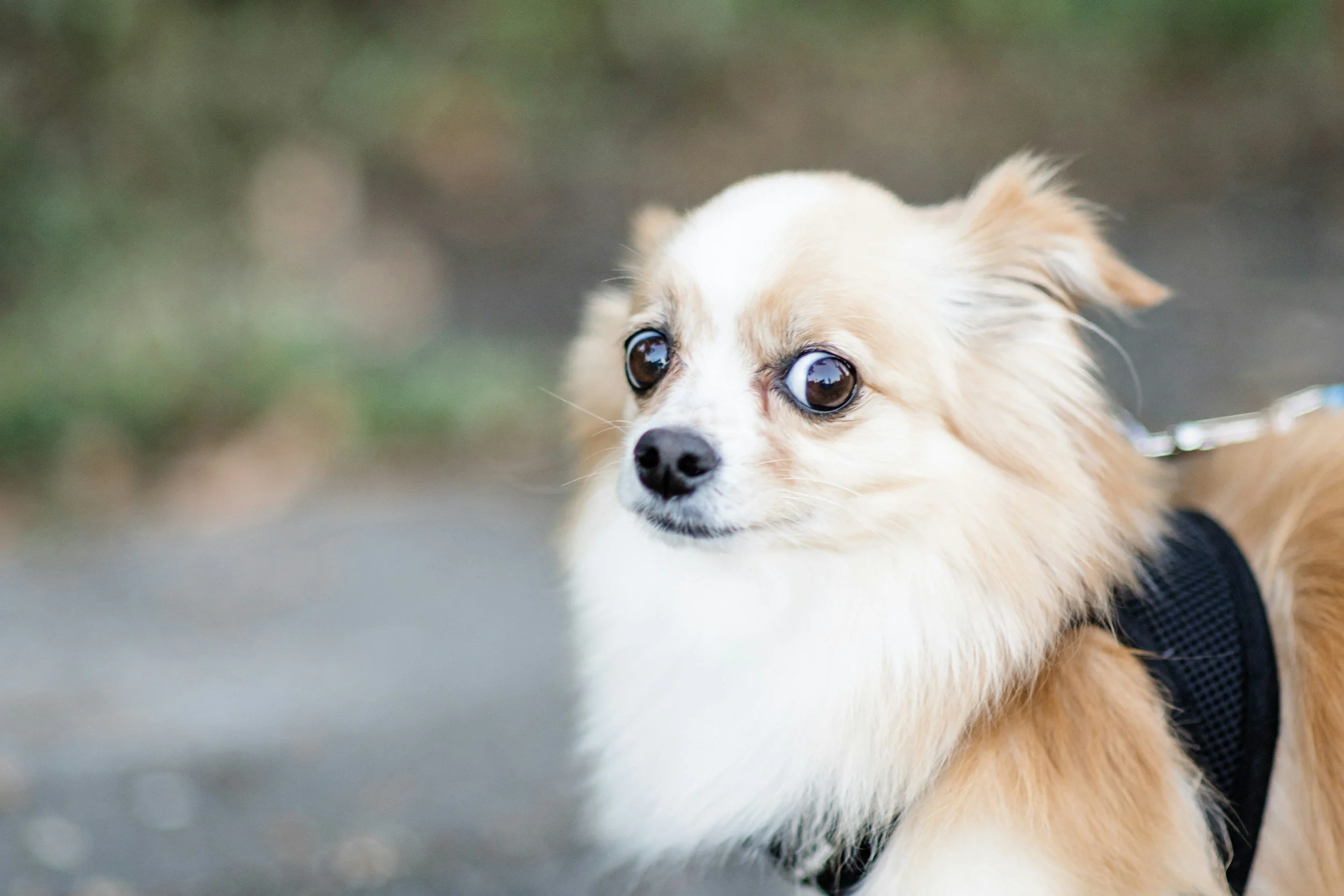
What it looks like
Small dribble during greetings
Cowering, tucked tail, ears back
Avoiding eye contact
Rolling slightly to the side or back
If urination happens while relaxed, sleeping, or without a social trigger, rule out medical causes with your vet.
At Home: Lower the Pressure
Change greetings
Ignore for the first 1–2 minutes.
Turn your body sideways.
Avoid direct eye contact.
Pet under chin or chest, not over the head.
Lower intensity = lower stress response.
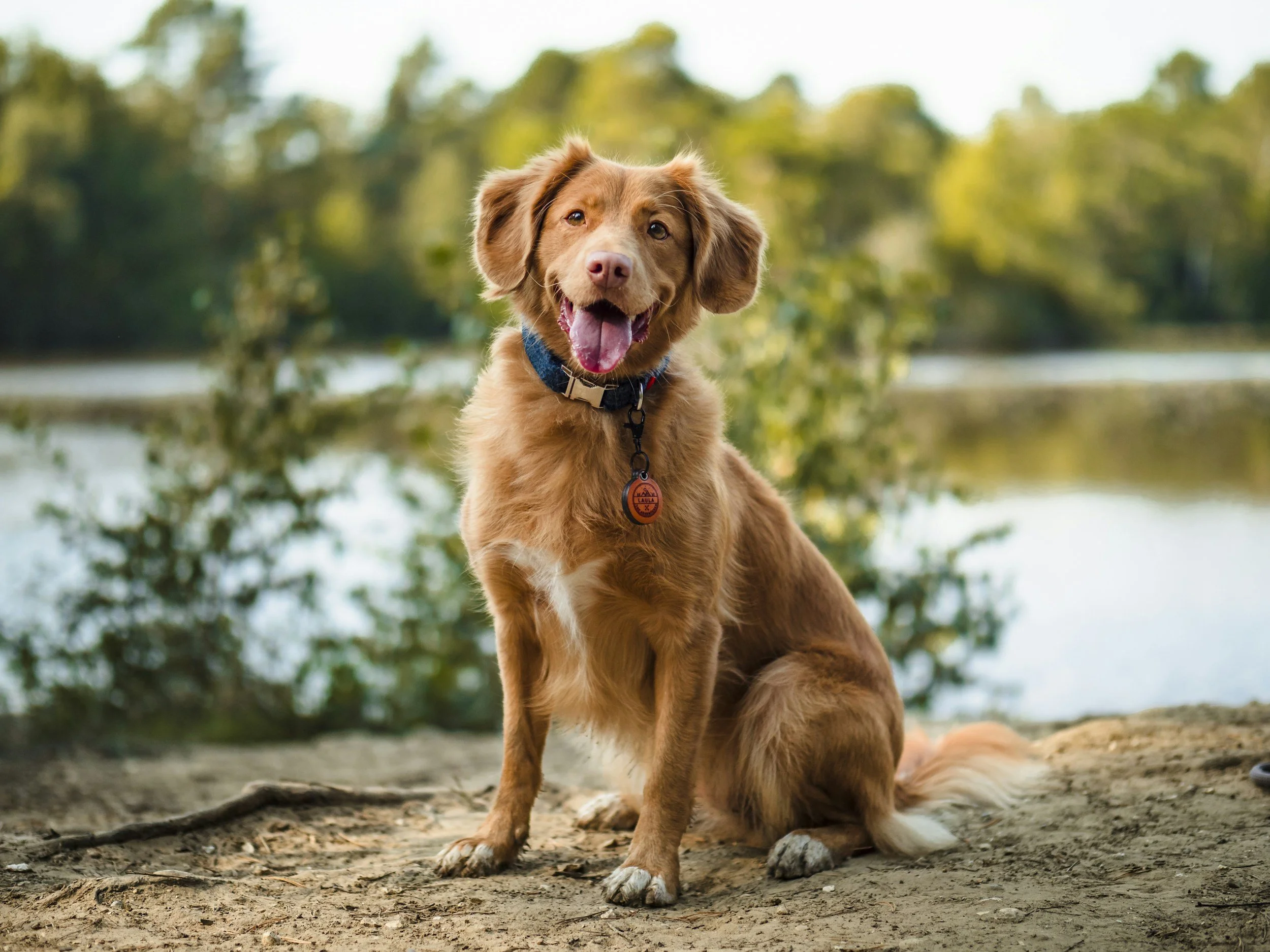
Build daily confidence
Short, positive sessions build resilience.
Reward-based training only.
3–5 minute sessions.
Easy wins (sit, touch, place).
Calm praise.
Confidence is preventative medicine.
Avoid common triggers
No looming over.
No loud corrections.
No scolding accidents.
Manage high-energy guests.
Calm structure beats correction.
In Public: Pet Shops, Vet Clinics, New Places
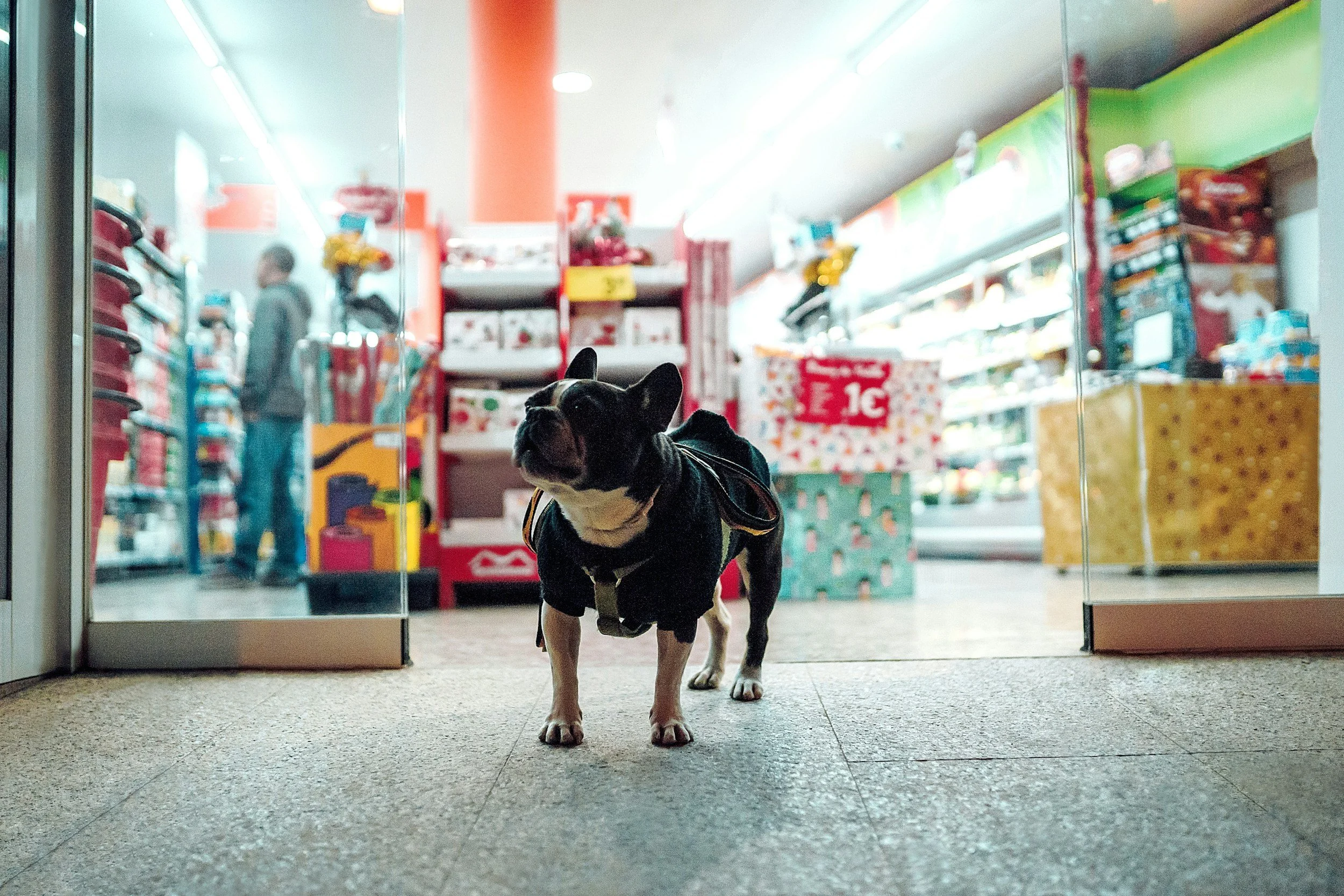
Submissive urination often increases in stimulating environments — like walking into a pet shop, grooming salon, or vet office. New smells, unfamiliar people, slick floors, and excited voices can overwhelm sensitive dogs.
Here’s how to prevent it:
1. Practice “neutral entries”
Before entering:
Pause outside.
Ask for a simple cue (sit or touch).
Reward calm focus.
Enter slowly.
If your dog is already overstimulated, wait. Entry should feel boring, not exciting.
2. Advocate for your dog
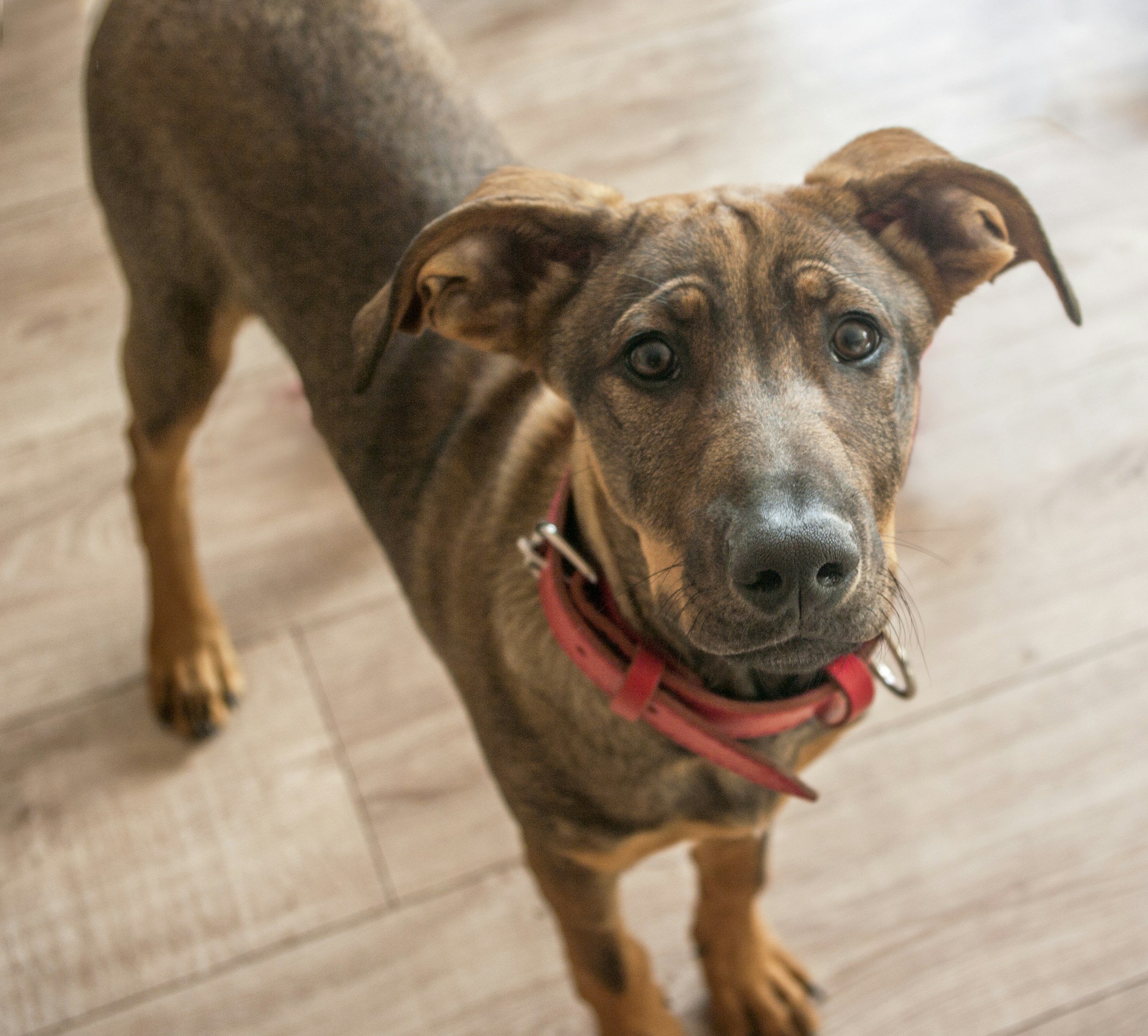
In stores:
Politely ask staff not to reach over your dog.
Let your dog approach people first.
Keep greetings short and low-key.
A pet shop environment can be friendly — but for sensitive dogs, “friendly” can feel intense.
3. Use distance strategically
If your dog starts to crouch or lower posture:
Increase space immediately.
Move to a quieter aisle or outside.
Reset with a simple cue and reward.
Distance reduces pressure.
4. Short visits first
Think exposure training:
First visit: 2–3 minutes.
Walk in, reward calm behavior, leave.
Build duration slowly over multiple visits.
Repetition without overwhelm builds confidence.
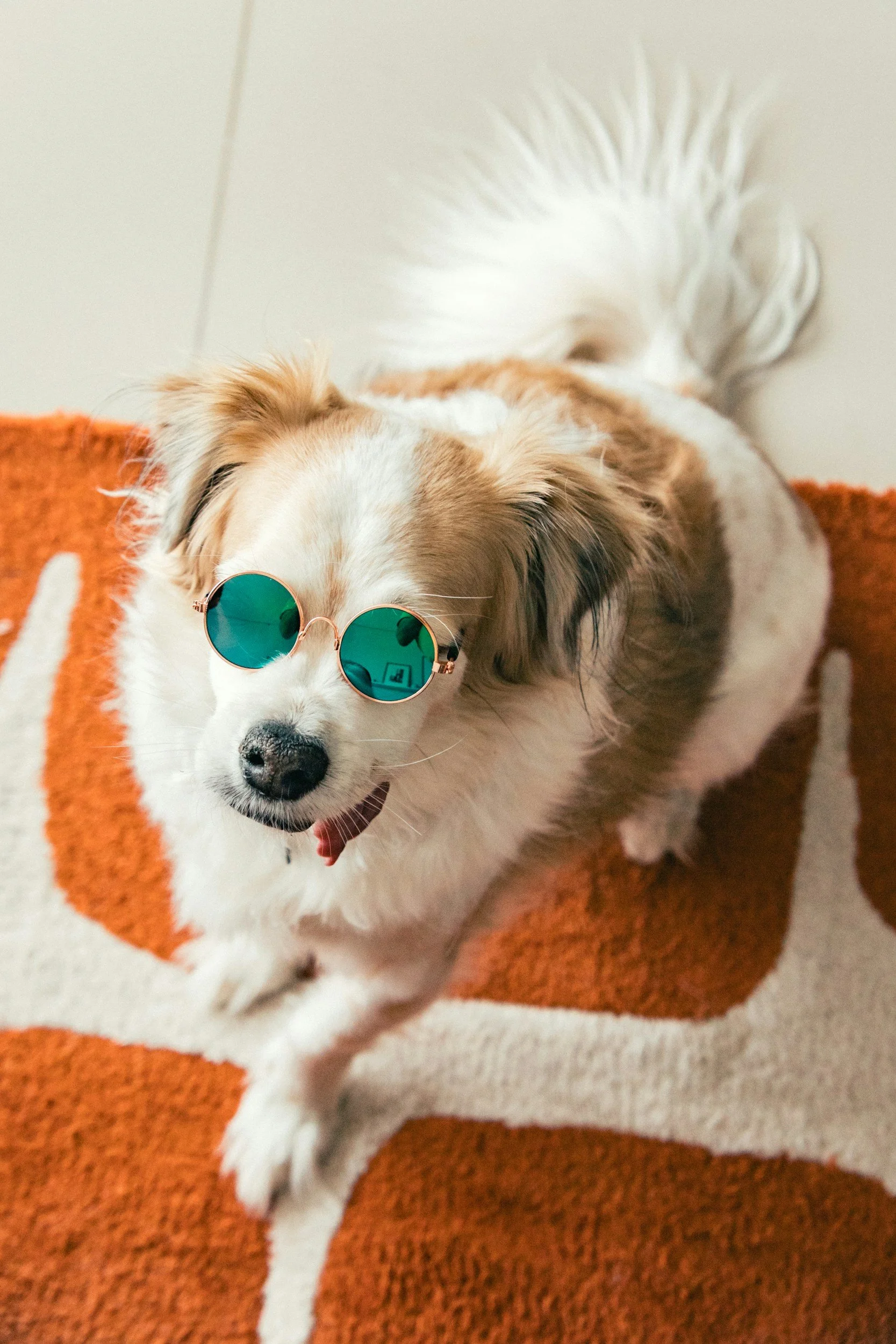
5. Watch flooring and footing
Slippery floors can increase insecurity. If needed:
Bring a mat for training sessions.
Choose carpeted areas first.
Work on confidence with novel surfaces at home.
Physical insecurity fuels emotional insecurity.
What NOT to do (especially in public)
Don’t apologize loudly or panic.
Don’t scold.
Don’t rush out in embarrassment.
Don’t let strangers crowd your dog
Your calm reaction tells your dog everything is safe.
When to seek help
Persists past 18–24 months.
Sudden onset in adult dog.
Paired with anxiety, shutdown behavior, or fear aggression.
A positive reinforcement trainer or veterinary behaviorist can help create a structured confidence plan.
The bottom line
Submissive urination improves when dogs feel safe — at home and in public.
Calm greetings. Gradual exposure. Clear structure. Positive reinforcement. Consistency.
Confidence is the cure.