
Dog Training; The Science is Clear
Why it matters
Modern behavioral science has moved decisively away from aversive training tools—think shock collars, prong collars, leash pops, intimidation. As the body of research grows, one conclusion keeps repeating: aversive methods increase fear, anxiety, and aggression, while positive-reinforcement and relationship-based training produce more stable, confident, and reliable dogs.

No one corrects a tiger with a prong collar. Trainers rely on partnership.
And here’s the kicker: every major zoo in the world trains lions, elephants, dolphins, and other powerful animals using positive methods only. If aversives are too risky and counterproductive for animals who can crush or outrun us, why would they ever be appropriate for our pet dogs?
The science: what’s changed
A decade ago, many dog owners heard conflicting messages about training. Today, the research consensus is clear:
1. Aversive tools damage trust.
Studies show cortisol spikes, stress behaviors, and increased reactivity in dogs subjected to punitive training. A dog may comply in the moment, but the fallout—fear, reduced learning, or defensive aggression—often appears later.
2. Positive reinforcement builds better behavior that lasts.
Reward-based training strengthens neural pathways that support learning, problem-solving, and emotional stability. The dog learns what to do, not just what not to do.
3. Relationship-based training mirrors how we teach any intelligent species.
The same principles that allow a zookeeper to ask a tiger to voluntarily offer a paw for a medical exam are the ones that help your dog learn to sit politely at the door.
4. Aversive-trained dogs tend to show higher cortisol levels (a stress hormone) and avoidance behaviors when around their handlers. ACV de Castro · 2020 Source: NCBI Link to one, there are many such studies.
5. Building the Relationship You Want
Relationship-based training asks humans to lead with empathy.
Start here:
Listen: Observe body language — it’s their first language.
Reward generously: Reinforce what you want to see more of.
Be patient: Confidence grows in consistent, safe environments.
Train together: Make learning a collaboration, not a contest.
The goal? A dog who doesn’t obey out of fear — but cooperates because they trust you.
The takeaway: training informed by modern science is gentler, more effective, and safer.
Why zoo training matters in this conversation
Zoo and marine animals are trained using:
Positive reinforcement
Clear communication
Voluntary participation
Trust-based relationships
No one uses shock collars on whales. No one corrects a gorilla with a prong collar. Trainers rely on partnership—not intimidation—because aversive methods backfire with intelligent species.
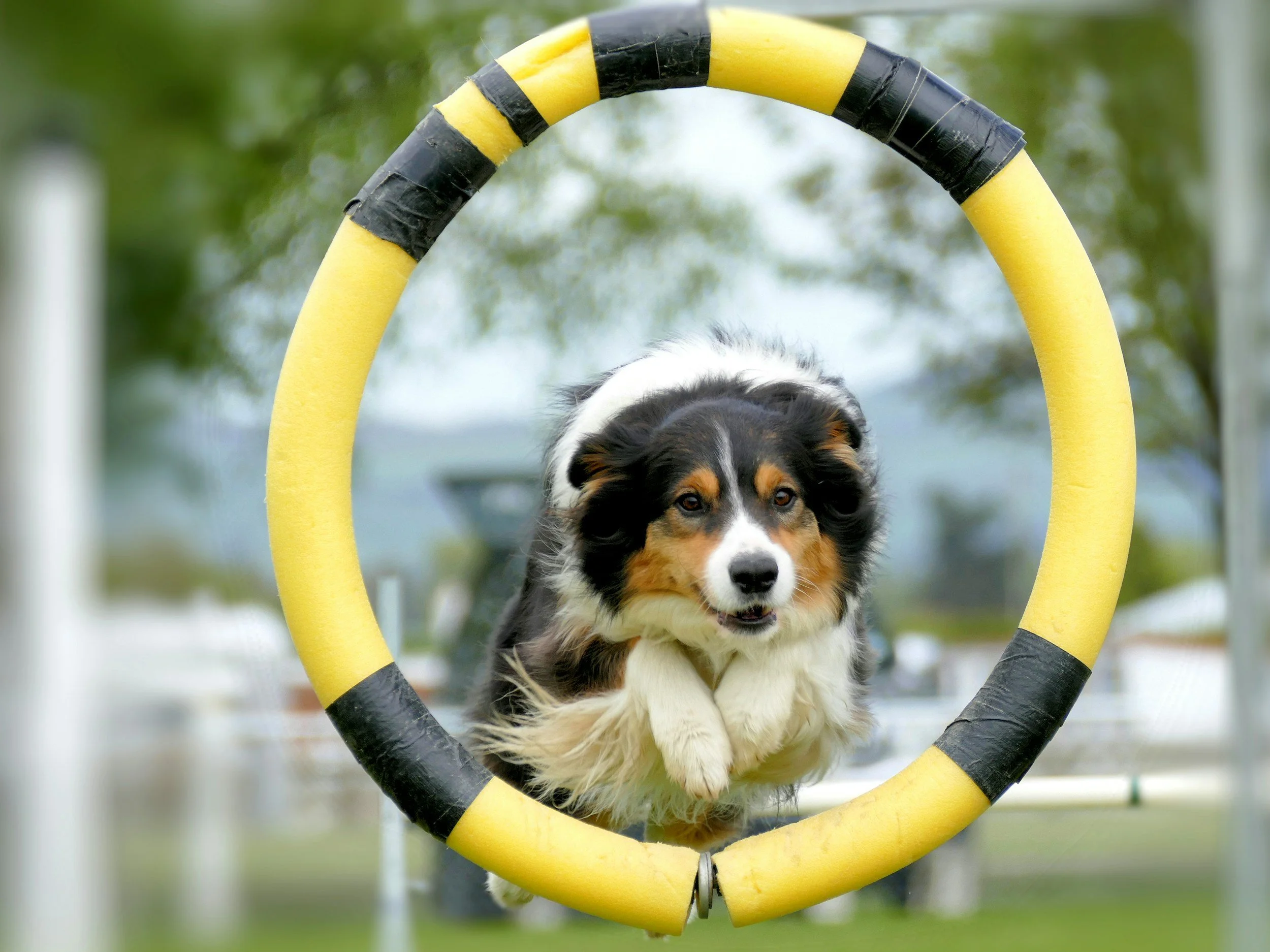
This contrast raises an obvious question:
If we can teach a 10,000-pound elephant to cooperate during a blood draw using nothing but rewards and trust, why would we ever use fear to train our family dogs?
The rise of dog communication buttons
Another sign of evolving understanding? Many dogs are now using communication buttons—recordable speech pads—to tell us what they want or how they feel. While not every dog becomes a “talker,” the trend highlights something important:
Dogs are far more cognitively capable than we used to believe.
Button use reinforces key concepts:
Dogs can form complex associations
They can label needs, emotions, and preferences
They learn best when communication is a two-way street
Aversive training shuts down communication. Relationship-based training opens it up. The more dogs are encouraged to express themselves, the clearer it becomes that they thrive on trust, clarity, and emotional safety.
Bottom line
Dog training is experiencing a scientific shift—and it’s long overdue.
The tools of the past relied on fear.
The tools of the present rely on connection.
Relationship-based training isn’t just kinder; it’s backed by science, supported by decades of zoo-animal evidence, and aligned with our steadily growing understanding of canine intelligence.
When we treat dogs as thinking, feeling partners, they don’t just behave better—they flourish.
For information about local Athens area dog trainers we trust visit our page - Dog Trainers.