
Seasonal allergies in dogs
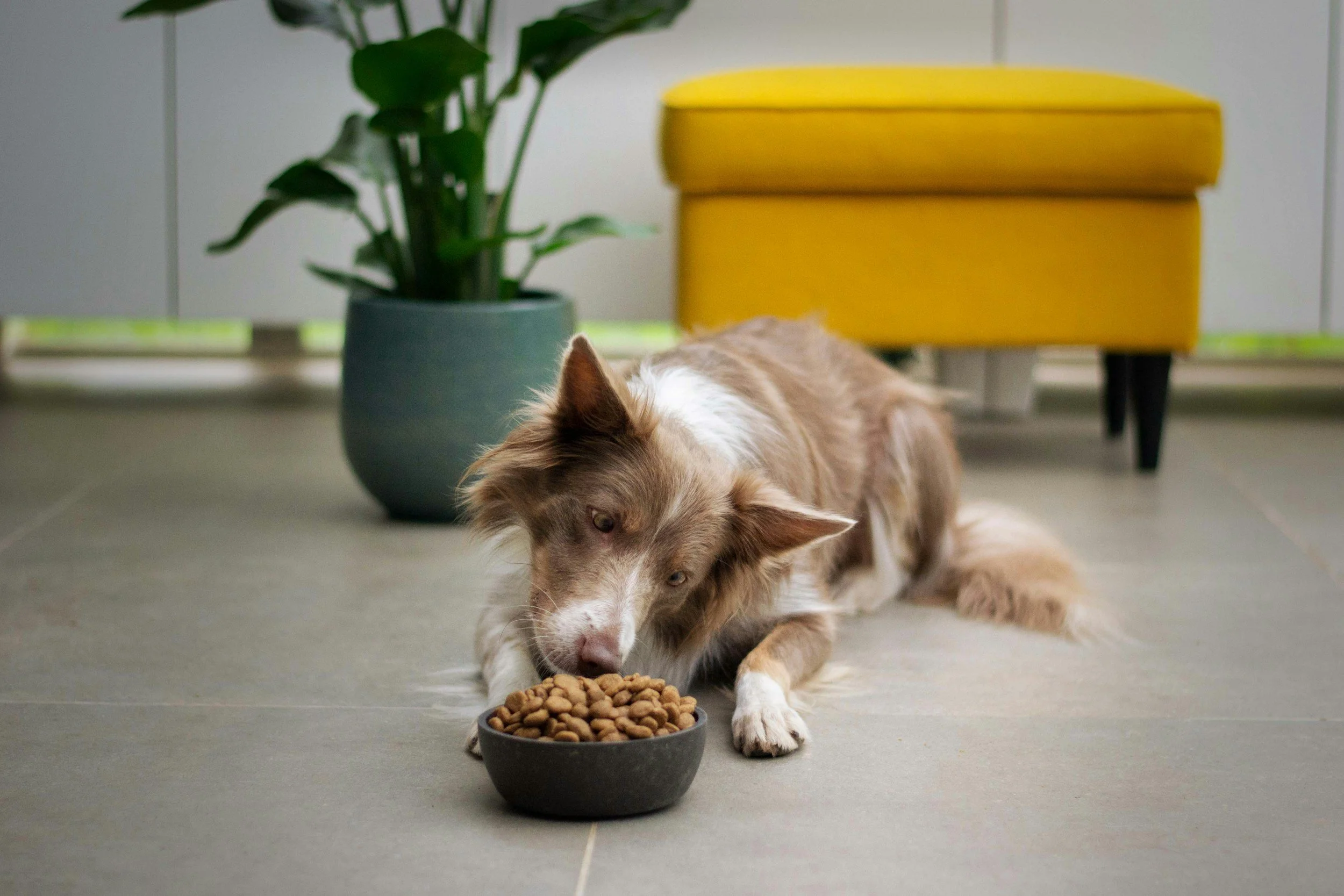
Itchy skin, hot spots, excessive licking — are commonly managed with medications like Cytopoint or Apoquel. But integrative veterinary approaches, including traditional Chinese medicine (TCM), point to something more foundational: what's in the bowl.
Food is the foundation of health. Rather than overhauling your dog's diet overnight, the goal is to strategically add real, whole food to what they're already eating — and make smarter choices about which food you're starting with.
Start with the right kibble
If your dog is currently eating a chicken- or lamb-based kibble, that may be part of the problem. Both are considered "warming" proteins in traditional Chinese medicine and can aggravate the hot, itchy conditions many allergy-prone dogs display.
A simple first step: switch to a turkey or whitefish-based kibble. These are considered cooling proteins and are much gentler for reactive dogs. Look for options lower in carbohydrates, and if rice is included, brown rice is preferable.
Give any new food a full 12 weeks before evaluating results — and don't rotate proteins unless your dog demands change. Consistency is key to knowing what's actually working.
If kibble changes alone aren't helping, it may be the processing method itself, not just the protein. That's when moving toward lightly cooked or human-grade food becomes worth exploring. Come ask us for a free sample bag of Dr. Gary’s Ocean Recipe.
Add real food — don't start from scratch
You don't need to immediately switch to a raw or home-cooked diet. Start small: add a scrambled egg to your dog's current food. It introduces real, whole protein, adds hydration, and begins shifting the diet in the right direction.

From there, consider incorporating cooling foods as toppers or mix-ins:
Cooling proteins: Turkey, pork, duck, whitefish, rabbit
Cooling vegetables: Broccoli, spinach, celery, string beans, lentils, mushrooms
Other cooling additions: Apples, yogurt, cottage cheese, tofu
In winter or for dogs who run cooler, neutral foods work well: beef, salmon, tuna, pork, green beans, peas, carrots, raspberries.
Foods to limit for allergy-prone dogs:
Chicken and lamb (most warming)
Venison (surprise!) , ham, pheasant
Sweet potato and oats
Lightly cooked vs. raw
Human-grade lightly cooked food is made in food-safety facilities held to people-quality standards, which reduces the contamination risks more common in standard kibble manufacturing. For most dogs, it's a strong middle ground. We recommend All Provide, Raised Right and Humbl - we recently began stocking Humbl and can order All Provide & Raised Right for customers on a subscription or a one off. All of these are superior, in our opinion, to Farmer’s Dog.
Raw food can be beneficial for some dogs, but it's not recommended for sensitive dogs whose systems are already reactive. If you're considering raw, it's worth discussing with a vet familiar with integrative nutrition first.
The case for raw
For dogs who tolerate it well, a raw diet can be one of the most powerful dietary shifts you can make. Raw food is minimally processed, naturally hydrating, and free from the fillers and starches that drive inflammation in many sensitive dogs. Many pet owners who make the switch report improvements in coat quality, reduced itching, better digestion, and even calmer energy — often within just a few weeks. Because raw food is biologically closer to what dogs evolved eating, it tends to support the immune system from the ground up rather than simply managing symptoms. If your dog has a strong, stable digestive system and you're looking to take their health to the next level, raw is absolutely worth exploring.

Take it slow: transitioning to a new food
Switching foods too quickly is one of the most common mistakes pet owners make — and digestive upset can get mistakenly blamed on the new food itself. Start by replacing about 25% of the current food with the new option for the first few days, then gradually increase to 50%, 75%, and a full transition over two weeks. Go even slower for sensitive dogs. Adding a plain canned pumpkin spoonful or a dog-safe probiotic during the transition can make a significant difference — both help stabilize digestion and ease the adjustment period. If you notice loose stool, vomiting, or increased itching, scale back and give their system more time before moving forward.
A note on prescription diets
Prescription foods for skin conditions and allergies can be expensive — and the ingredients don't always justify the price. We may be able to help you find a comparable food with better ingredients at a lower cost. Many of the same therapeutic formulations exist in other brands without the premium markup. Reach out and we can take a look at what your dog is currently eating and find alternatives worth trying.
Reading the skin: a traditional Chinese medicine perspective

In Chinese medicine, the liver meridian plays a central role in allergies. It governs detoxification and is sensitive to toxins, over-vaccination, and even emotional stress. When liver qi is disrupted, it can surface as skin issues. Even emotions like anxiety or restlessness can affect the liver — and show up on the skin.
Dry, cool, not greasy skin
This type of skin lacks moisture. Support it with Omega-3s and Omega-6s — specifically EPA, DHA, and GLA. Evening primrose oil and hemp oil help rehydrate the skin from the inside out.
Very itchy, hot to the touch, possibly greasy skin
This signals more acute inflammation and may indicate liver involvement. In addition to the omegas above, consider:
Milk Thistle — supports liver detoxification - currently stocking Solutions
Krill oil — cooling and anti-inflammatory - we carry Dr. Harvey’s
Cooling anti-inflammatory herbs
What about medications?
Cytopoint, Apoquel, and allergy shots aren't the enemy — they provide real relief and have their place. The goal isn't to eliminate them immediately, but to build a stronger dietary foundation so that over time, the body needs less pharmaceutical support.
Think of it as addressing the root, not just the symptoms. Medications manage the fire; food and lifestyle changes help prevent it from starting.